
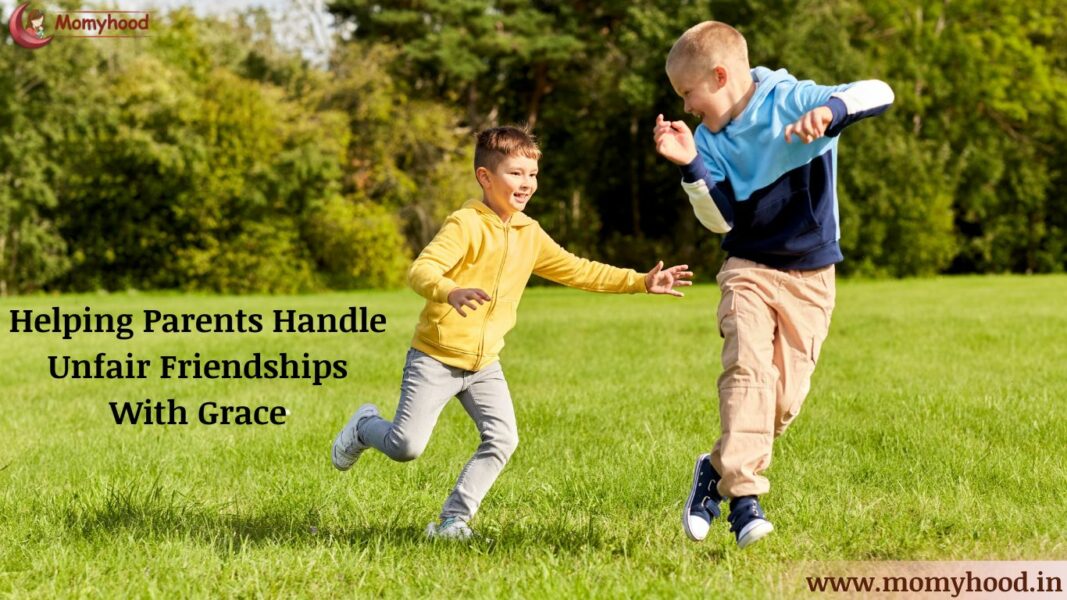
“Sometimes, the one who stays calm gets blamed… simply because they didn’t cry.”
If you’re reading this, chances are you’ve witnessed your child caught in a friendship conflict that feels unfair, confusing, or emotionally draining. Perhaps your older child is always blamed when disagreements arise with younger friends. Maybe you’ve noticed a pattern where tears automatically shift blame, regardless of what actually happened.
This blog is based on a real-life experience shared with Momyhood by a mother. The mother chose to remain anonymous, and no identifying details have been shared. The intent is to create awareness, offer support, and help parents navigate similar situations with empathy and understanding.
Handling friendship conflicts between children is one of the most delicate challenges parents face—especially when age gaps, personality differences, or cultural dynamics come into play. But here’s the good news: conflicts aren’t failures. They’re opportunities for growth, emotional learning, and building lifelong social skills.
This blog will walk you through practical, gentle strategies for managing friendship disputes without confrontation, drama, or damaging relationships. Whether you’re dealing with age-gap friendships, persistent patterns of blame, or simply want to equip your child with conflict resolution skills, you’ll find actionable solutions here.
Understanding Friendship Conflicts: Why They Happen
Before diving into solutions, let’s acknowledge an important truth: friendship conflicts are developmentally normal and even healthy.
Children are still learning:
📣 Loved what you read? Want to go deeper into conscious parenting? ✨ The Power of Manifestation in Parenting is now available — A soulful guide packed with real-life tools like affirmations, energy shifts, and sleep talk that I personally use with my son, Hitarth. 💛 Start your journey toward calmer, connected parenting today. 🎉 Launch Offer: Only ₹99 (limited-time price!) 📲 Instant download. No waiting. 👉 Grab your copy now!.
- How to communicate their needs
- How to regulate emotions
- How to share, take turns, and compromise
- How to see situations from another person’s perspective
Disagreements over toys, rules, attention, or fairness are not signs of bad friendships—they’re practice grounds for emotional intelligence and social navigation.
However, problems arise when:
- One child is consistently blamed unfairly
- Adults intervene without understanding the full picture
- Emotional responses (like crying) are mistaken for truth
- Children don’t have tools to resolve conflicts constructively
The Pattern That Traps Older Children: A Mother’s Real Story
A mother recently shared a situation that many parents will recognize all too well. Her story sheds light on how handling friendship conflicts between children becomes especially challenging when patterns of automatic blame take root.
Her 11-year-old son’s experience:
Friendships are beautiful, but they come with their own challenges—especially when there is an age gap. Her son has a younger friend who is 8. While they play well together, any disagreement between them ends the same way: the younger child cries, and the older child is automatically blamed—even when he isn’t at fault.
What’s more complicated is that both children are from Indian families living in a place where very few Indians reside. This makes every friendship seem more valuable and every misunderstanding feel heavier.
The Pattern: A Familiar Story
- Two children play
- A disagreement arises—maybe over a toy, a turn, or a rule
- The younger one cries loudly
- Adults or other children jump in
- The older one is blamed, expected to be more mature
While the younger child may not be intentionally manipulative, their emotional response (crying) quickly shifts the situation. And the older one—often trying to explain himself calmly—becomes the default culprit.
But it doesn’t stop there. This mother has another child who faces the same pattern with a same-age peer.
Her 5-year-old son often plays with a 5-year-old girl who has developed a habit of crying at the slightest discomfort. Even if someone accidentally touches her—like a foot brushing against her while playing—she immediately starts crying and says, “He hit me.”
This happens repeatedly, even during normal games like tag, where children are expected to catch or touch each other. If she gets caught, she again claims that he hit her. As a result, her son is scolded every single time and is consistently blamed, despite calmly explaining that it was accidental and part of the game. Also read: When Your Child Is Naturally Kind… But the World Isn’t Always Kind Back
What makes the situation more unfair is the clear double standard: when the other child hurts someone, her actions are always labeled as “unintentional,” while the boy is repeatedly portrayed as the aggressor. Over time, this has created a pattern where blame automatically falls on him—regardless of what actually happened.
Over time, this creates:
- Confusion and frustration for the children who handled things calmly
- A sense of injustice that chips away at their self-confidence
- Strained relationships between the families
- Silent emotional pressure on the parent who sees it all but doesn’t want confrontation
The complexity deepens when families share cultural backgrounds (like Indian families living abroad) where every friendship feels precious and every conflict carries extra weight. When you’re one of the few Indian families in the area, letting go of a friendship—even a toxic one—feels like losing a vital connection.
So, what can you do when your child is caught in this unfair pattern?
Related read: What to Do When Kids Face Friendship Problems
Empowering the Parent and the Child (Without Confrontation)
This blog is for the mother who observes the pattern, wants to protect her child, but doesn’t want to get into direct confrontations or dramatic confrontations. The good news is: you don’t need to.
Here are gentle, practical, and deeply effective steps:
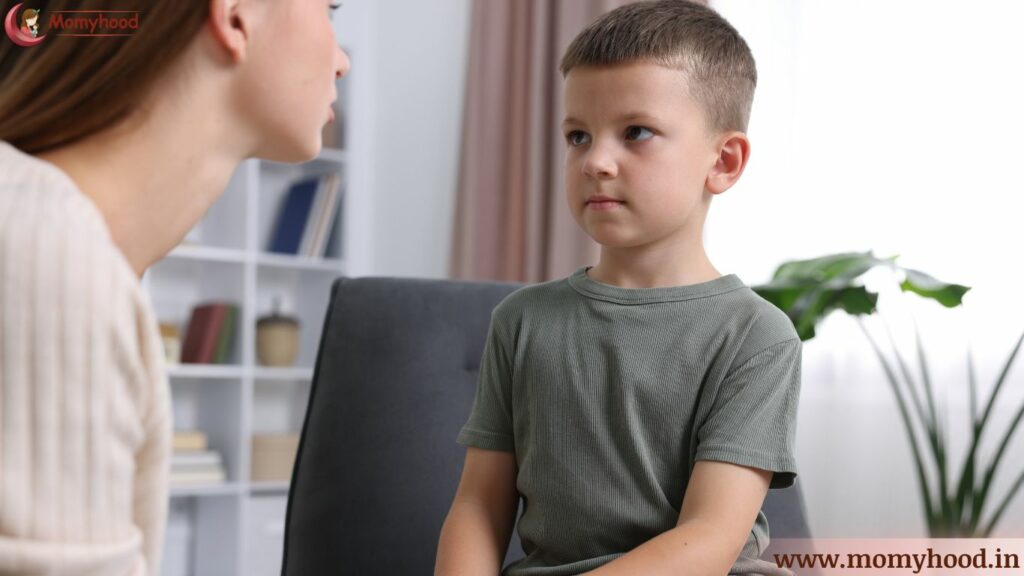
Step 1: Listen First, Judge Never
The foundation of handling friendship conflicts between children starts with one simple but powerful action: listen without judgment.
When your child comes to you upset about a friendship issue:
Do this:
- Give them your full attention
- Let them finish their story without interrupting
- Acknowledge their feelings: “That sounds really frustrating” or “I can see why you felt hurt”
- Ask open questions: “What happened next?” or “How did that make you feel?”
Avoid this:
- Immediately offering solutions
- Dismissing their feelings (“It’s not a big deal”)
- Taking sides before hearing all perspectives
- Jumping to blame the other child
Why this matters: Children need to feel heard before they can hear you. This validation builds trust and opens them up to learning conflict resolution skills.
Step 2: Teach Perspective-Taking
Once your child feels validated, help them understand the situation from multiple angles.
For the older child who feels unfairly blamed:
“The younger child is still learning how to handle big emotions. When they cry, it doesn’t mean they’re right—it means they’re expressing frustration the way younger kids do. Your calmness is actually a strength, even if adults don’t always see it that way.”
For any child in conflict:
Ask gentle questions:
- “Why do you think they reacted that way?”
- “What do you think they were feeling?”
- “If you were them, what would you have wanted?”
This isn’t about making your child responsible for others’ emotions—it’s about building empathy, a critical life skill.
Also read: How to Help Your Teen Overcome Loneliness and Build Meaningful Friendships
Step 3: Equip Them With Conflict Resolution Tools
Here’s where handling friendship conflicts between children becomes practical and empowering.
The “I” Statement Framework
Teach your child this simple formula:
“I feel ___ when ___ because ___. I need ___.”
Examples:
- “I feel upset when you take my toy without asking because I was still playing with it. I need you to ask first.”
- “I feel frustrated when the rules change because I don’t understand the game anymore. I need us to agree on rules before we start.”
Calm Response Scripts
Give your child phrases they can use when conflicts arise:
- “I didn’t mean to hurt you. Can we talk about what happened?”
- “I think we both want different things. Let’s find a way that works for both of us.”
- “I need a break right now. Can we play again in a few minutes?”
- “Let’s ask an adult to help us figure this out together.”
Practice at home: Role-play these scenarios during calm moments. Make it fun—switch roles, act out silly conflicts, and practice staying calm. This builds muscle memory for real situations.
Step 4: Know When to Intervene vs. Step Back
Not all conflicts need adult intervention. In fact, children develop crucial social skills by working through disagreements themselves.
When to Let Them Handle It:
- Minor disputes over game rules, turn-taking, or preferences
- Age-appropriate conflicts where both children have equal power
- When they’re using words (even if they’re frustrated)
- When safety isn’t at risk
When to Step In:
- Physical aggression or risk of harm
- Persistent bullying or exclusion patterns
- Power imbalances where one child is clearly dominating
- Emotional overwhelm where a child is shutting down
- When they ask for help
For age-gap friendships specifically: Younger children (under 8) often need more guidance because their emotional regulation skills are still developing. Older children benefit from being empowered to set boundaries while you coach from the sidelines.
Step 5: Address the “Automatic Blame” Pattern
If your older child is consistently blamed unfairly, here’s how to handle friendship conflicts between children without creating drama:
1. Provide Strong Home Validation
Your child needs to know you see the truth:
“I understand what happened. You handled that calmly, and I’m proud of you. Crying doesn’t mean someone is right—it’s just a different way of expressing emotions. The way you kept your calm shows real maturity.”
2. Help Them Decode the Situation
Explain (without bitterness):
- The younger child may cry out of habit, not manipulation
- Adults often react to what they see (tears) rather than what happened
- This doesn’t make it fair, but understanding it can reduce frustration
3. Create Structure to Prevent Conflicts
Instead of unstructured free play (which often leads to disputes), suggest:
- Activity-based playdates: Craft projects, board games, building challenges
- Time-limited interactions: 1-2 hours instead of all day
- Light supervision: Stay nearby without hovering
Structure reduces friction and gives both children clear expectations.
4. Set Boundaries Without Announcements
You don’t need to say “We’re limiting playtime.” Simply:
- Mention homework or other commitments
- Invite other children occasionally
- Suggest alternate timing when needed
This creates healthy distance without confrontation.
Step 6: Model Conflict Resolution Yourself
Children learn more from what they see than what they’re told.
When you disagree with your partner, friend, or family member in front of your child:
- Use calm language
- Acknowledge the other person’s perspective
- Find compromise
- Apologize when appropriate
- Show that relationships can survive disagreements
Talk about your own conflicts (age-appropriately):
“Today I had a disagreement with my friend about where to meet. We were both frustrated, but we listened to each other and found a solution that worked.”
This normalizes conflict and shows that resolution is possible.
Step 7: Build a Support Network Beyond One Friendship
Sometimes we over-invest in a single friendship, especially when options feel limited (like for immigrant families in areas with few similar cultural backgrounds).
Diversify your child’s social connections:
- Enroll in hobby classes (art, sports, coding)
- Connect with cousins or family friends online
- Join community groups or cultural organizations
- Encourage solo hobbies that build confidence
Remind your child: “One friendship doesn’t define your worth. You are valuable, and there are many people who will appreciate you.”
Step 8: Teach Friendship Repair Skills
Conflicts don’t have to end friendships. Teaching children how to repair relationships after disagreements is a critical life skill.
After a Conflict, Guide Your Child to:
- Cool down first (emotions need time to settle)
- Reflect on what happened (not just blame)
- Reach out when ready: “I’m sorry we argued. I still want to be friends. Can we talk?”
- Make amends: A drawing, a small gesture, or simply playing together again
- Move forward: Don’t keep bringing up past conflicts
Important: Only encourage repair if the friendship is healthy overall. If conflicts are constant and one-sided, it’s okay to create distance.
Related read: When My Child Was Bullied, Here’s How I Handled It (Without Shouting or Complaining)
The Bigger Picture: Building Lifelong Social Skills
When you’re focused on handling friendship conflicts between children, remember you’re not just solving today’s problem—you’re building skills that will serve them for life:
Emotional regulation – Managing feelings without losing control
Communication – Expressing needs clearly and kindly
Empathy – Understanding others’ perspectives
Boundaries – Knowing when to engage and when to step back
Resilience – Bouncing back from social disappointments
Self-advocacy – Standing up for themselves respectfully
These skills translate into healthier relationships in school, work, and personal life.
When Professional Help Might Be Needed
Most friendship conflicts are normal and manageable with parenting support. However, consider seeking help from a child psychologist or counselor if:
- Conflicts are causing persistent anxiety or depression
- Your child is withdrawing from all social interactions
- Aggressive behavior is escalating
- Your child shows signs of being bullied repeatedly
- Friendship issues are impacting school performance or sleep
There’s no shame in seeking support. Sometimes an outside perspective helps children process emotions more effectively.
Frequently Asked Questions
How to deal with children’s friendship issues?
Start by listening without judgment and validating your child’s feelings. Help them understand that conflicts are normal, then teach practical tools like “I” statements and calm response scripts. Know when to step in (safety issues, persistent bullying) versus letting them resolve minor disputes independently. Focus on building long-term skills like empathy, communication, and boundary-setting rather than just fixing immediate problems.
How would you handle a conflict between two children?
First, ensure everyone is physically and emotionally safe. Then, listen to both sides separately without taking sides initially. Ask each child to explain what happened and how they felt. Help them identify the core issue (often deeper than what started the fight). Guide them to brainstorm solutions together: “What could make this better for both of you?” Encourage compromise and let them choose a solution when possible. Follow up later to see if the solution worked.
What is the 7 friend rule?
The “7 friend rule” has two common interpretations. One suggests children benefit from having seven different types of friends (creative friends, active friends, calming friends, etc.) for well-rounded social development. Another interpretation relates to limiting screen time with friends to maintain healthy in-person connections. For parents handling friendship conflicts between children, the key takeaway is that diverse friendships reduce pressure on any single relationship and provide different social learning opportunities.
How do you handle conflict in friendships?
Healthy conflict handling involves:
- Taking space to calm down before discussing issues,
- Using “I feel” statements instead of blame,
- Listening to understand rather than to defend,
- Finding compromise where both people’s needs matter,
- Apologizing genuinely when appropriate, and
- Moving forward without holding grudges.
For children, parents play a crucial coaching role—not solving conflicts for them, but teaching these steps through modeling and guided practice.
A Personal Message to Parents
If you’ve read this far, you clearly care deeply about your child’s emotional wellbeing. That alone makes you a wonderful parent.
Handling friendship conflicts between children doesn’t require you to be perfect, confrontational, or always have the right answer. It requires:
- Awareness – Noticing patterns and staying present
- Validation – Making your child feel seen and heard
- Teaching – Giving them tools, not just solutions
- Boundaries – Protecting their emotional space with quiet strength
- Patience – Understanding that social skills take time to develop
Not all problems need dramatic interventions. Many need what you’re already doing: observing, supporting, and guiding with grace.
Keep a Quiet Record
Consider maintaining a simple journal of incidents—not to build a case, but to:
- Track emotional patterns over time
- Notice what triggers conflicts
- See improvements or areas needing more attention
- Have clarity if you ever need to communicate with other parents
Trust Your Parenting Instincts
You know your child best. If a friendship consistently leaves them feeling bad about themselves, it’s okay to create distance—even if it’s the “only” friendship option right now.
Quality relationships matter more than quantity.
Celebrate the Calm Moments
In the midst of managing conflicts, don’t forget to notice:
- Times your child handled disagreements well
- Moments of empathy and compromise
- When they used the tools you taught them
- Their growing emotional maturity
“I noticed how calmly you explained your side today. That took real strength.”
These acknowledgments reinforce positive behaviors far more than criticism of mistakes.
Final Thoughts: The Strength of Quiet Support
When your child grows up, they may not remember every specific conflict or friendship struggle. But they will remember this:
“My parent always stood by me—even in silence.”
They’ll remember:
- The validation when they felt unseen by others
- The tools that helped them find their voice
- The boundaries that protected their emotional space
- The consistent message that they are worthy, capable, and strong
Handling friendship conflicts between children is not about winning battles or proving others wrong. It’s about raising emotionally intelligent humans who can navigate relationships with kindness, assertiveness, and resilience.
You don’t have to be loud. You don’t have to fight everyone else’s battles.
You just need to continue doing what you’re already doing: protecting your child’s emotional space with quiet strength and graceful boundaries.
And that is more than enough.
Additional Resources for Parents
- Books: “How to Talk So Kids Will Listen” by Adele Faber
- Support: Connect with other parents facing similar challenges through parenting forums or local community groups
- Professional help: If needed, seek pediatric therapists who specialize in social skills development
Remember: You’re not alone in this journey. Every parent navigates these challenges. The fact that you’re seeking information and strategies shows your commitment to your child’s wellbeing.
You’re doing an amazing job. Keep going. ❤️
Your comments and shares do more than just support our blog—they uplift the amazing moms who share their stories here. Please scroll down to the end of the page to leave your thoughts, and use the buttons just below this line to share. Your support makes a big difference!