second trimester
Pregnancy

Second Trimester Pregnancy Tips: Your Complete Guide for Weeks 13–28

Quick answer: The second trimester (weeks 13 to 28) is often the most comfortable phase. Focus on balanced meals with enough protein, iron and calcium, keep taking prenatal supplements, stay active with pregnancy-safe exercise, start Kegels, attend your anomaly scan and glucose test, and sleep on your side. Originally published on Feb 26, 2023, and …


kids self-control
Parenting Insights

Self-Control for Kids: 10 Tips, Games & Toys to Help Your Child Build It

Grabbing a sibling’s toy, blurting out answers in class, hitting when angry, or eating the whole packet of biscuits: these are all moments when a child’s self-control hasn’t caught up with their feelings yet. Self-control for kids is one of the most important skills for school success, friendships and later life, and the best part …

How to Teach Kids It's Okay to Lose
Parenting Insights

How to Teach Kids It’s Okay to Lose: Board Games, Sports Day and Results Day

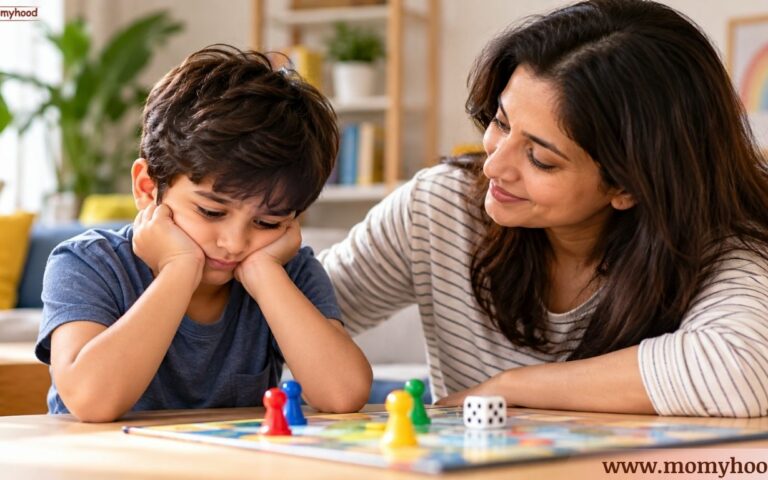
The Ludo board went flying across the room on a quiet Sunday evening. Dice, tokens and one very small red pawn scattered under the sofa. My son Vivaan, six years old and red in the face, was shouting that the game was “cheating” because I had cut his last token with one throw. I sat …

third trimester tips
Pregnancy

Third Trimester Tips for Comfort, Care & Preparation!

Quick answer: In the third trimester (weeks 28 to 40), eat small balanced meals, stay gently active, sleep on your side, track your baby’s movements every day, pack your hospital bag by 36 weeks, learn the signs of labour, and call your doctor immediately for reduced movements, bleeding, leaking fluid or severe headache. The third …

eczema in babies
Parenting Insights

Eczema in Babies: Here’s My Experience Dealing With This Condition (+ Latest Treatment Advice)

Quick answer: Eczema in babies (atopic dermatitis) causes dry, itchy, red patches, often on the cheeks, scalp and skin folds. Moisturise generously at least twice a day, use short lukewarm baths, choose fragrance-free products and soft cotton clothes, avoid triggers, and see your doctor if skin is weeping, crusted or not improving. Nowadays, most children …

patience in kids
Parenting Insights

Patience in Kids: 12 Simple Ways to Teach Your Child to Wait

“Is it my turn yet? Are we there yet? I want it NOW!” If your little one melts down every time they have to wait, whether for dinner, a toy, the lift or their turn on the swing, you’re raising a perfectly normal child. Patience in kids isn’t something they’re born with; it’s a skill …

skin rashes in babies
Parenting Insights

Skin Rashes in Babies: 5 Major Causes & Care Tips to Prevent Them

Quick answer: Most skin rashes in babies, such as heat rash, nappy rash, drool rash and baby acne, are harmless and settle with gentle care: keep skin clean, dry and cool, change nappies often, use fragrance-free products and dress your baby in loose cotton. See a doctor urgently if a rash comes with fever, doesn’t …

probiotics for babies
Parenting Insights

Probiotics for Babies: When to Introduce, Safety & Benefits

Quick answer: Probiotics for babies are live “good” bacteria found in some supplements, formulas and foods like curd. They may help with certain problems, such as antibiotic-related diarrhoea and possibly colic in breastfed babies, but evidence is mixed and they aren’t needed by most healthy babies. Always ask your paediatrician before giving any probiotic supplement, …

healthy snacks for toddlers while traveling
Parenting Insights

Healthy Snacks for Toddlers While Travelling: Homemade & Packaged Picks (2026)

Long car rides to Nani’s house, a train journey, or a flight with a toddler who gets hungry every 45 minutes: if you’re travelling with little ones, snacks are your secret weapon. The right healthy snacks for toddlers keep tummies full, moods steady and meltdowns away, without loading them up with sugar and chips. Here’s …

self sleep training
Parenting Insights

Self Sleep Training Methods & Guide by a Mommy Blogger

Quick answer: Self sleep training means gently teaching your baby to fall asleep on their own. Most experts suggest waiting until around 4 to 6 months, building a consistent bedtime routine, putting your baby down drowsy but awake, and choosing a method that suits your family, from gradual “check and console” to gentler fading approaches. …